
How a tropes don’t a good story make
Introduction:
All aboard for another fun adventure!
Grab your ticket as this week we explore the delightful unique and fantastical fairytale of Laika’s new film Wildwood!
Wildwood is a stop motion adaptation by Laika studios of the YA book of the same name. The book was written by Colin Meloy and illustrated by his wife Carson Ellis. This movie has been in development at Laika since 2011 and only started production in 2021. It was released this year, 2026, on October 23rd. Time well spent in my opinion.
Time well spent because of the massive artistic undertaking that stop motion is to accomplish. From the crafting, to sculpting, to lighting and building, and literally taking a high resolution photo for every frame; stop motion as an artform is an insane undertaking and time sink. That is why this film on an artistic level is unlike any other film released in the 2020s so far.
I ran a poll to see what people thought about Wildwood and a large number of people who answered the poll haven’t even seen it yet! If you haven’t seen WildWood yet. Go do it now before it leaves theaters. It is worth the theatrical experience. The amount of craft and details put into these puppets is insane! Not to mention the amazing acting and story.
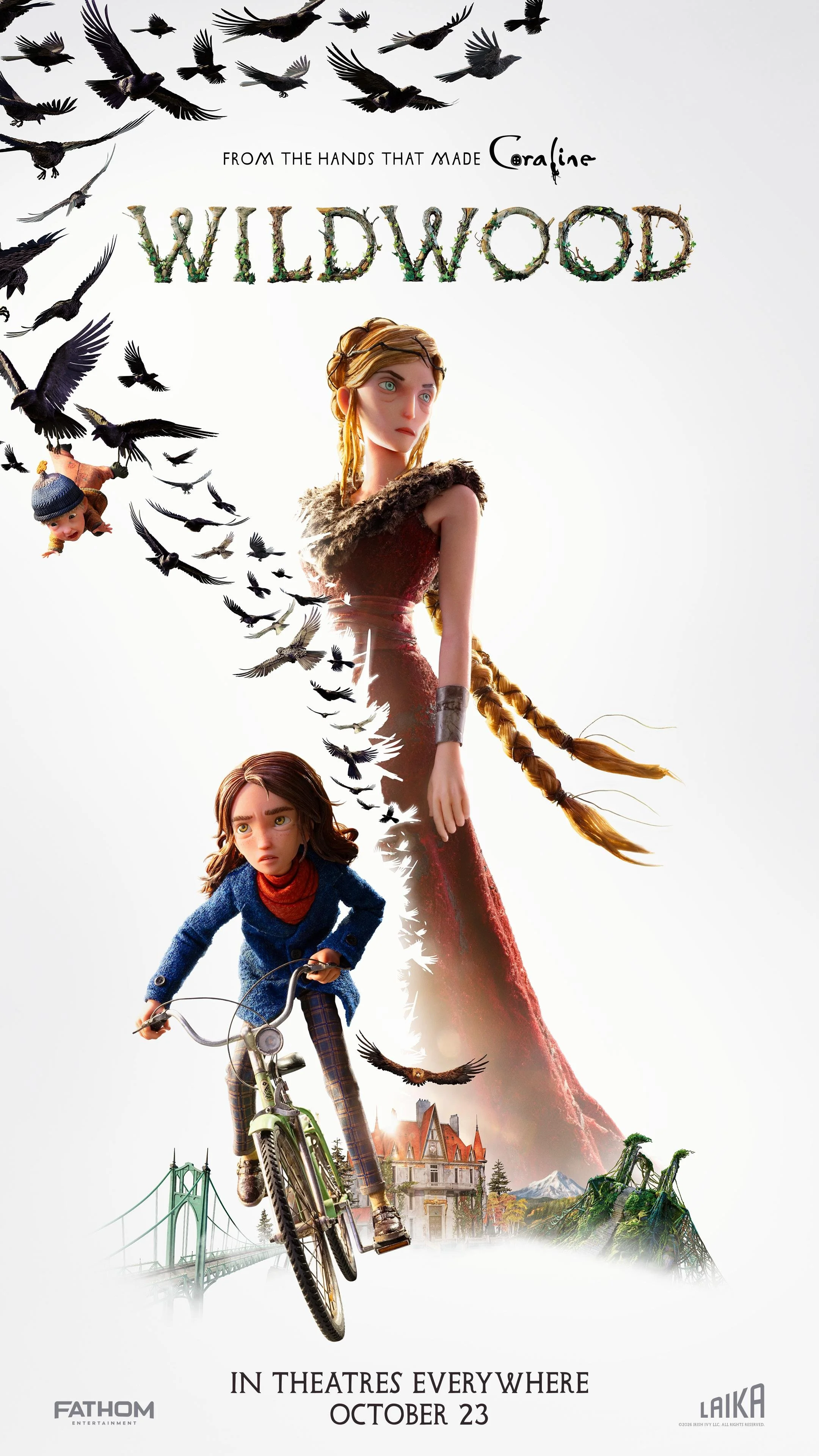
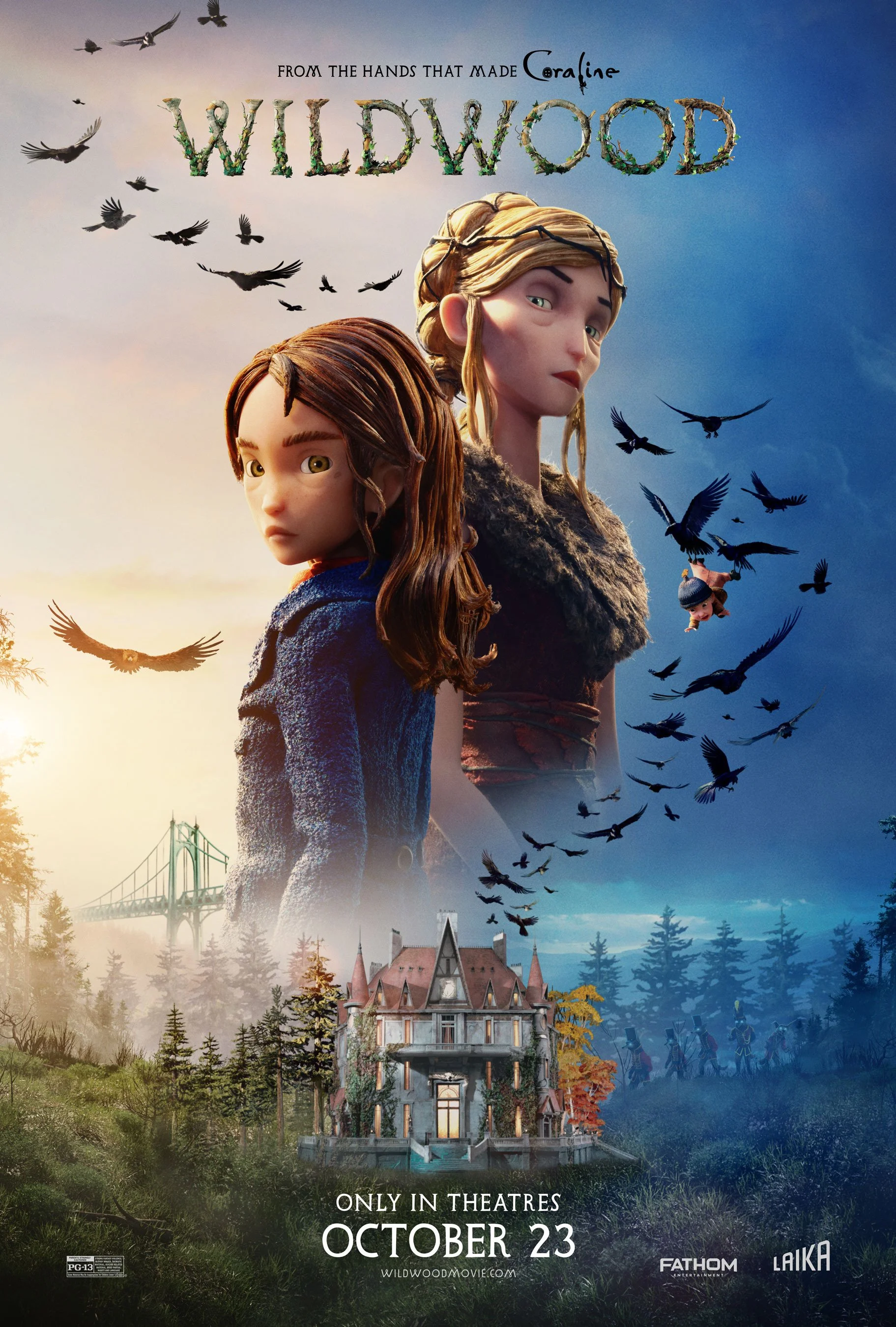
Laika Studios Poster for Wildwood
What’s Inspiring about Laika’s Wildwood?:
You mean other than the insane level of dedication and artistic skill on display? Well, ok. If you insist. The visuals really do speak for themselves, especially when it comes to the action and violence that this film portrays. All of which are in service to its themes and genre as a portal fantasy story. A story that on the surface might not seem like anything special.
Unfortunately, I have not had the pleasure to read the Wildwood book series yet. So this trip today on the Train of Thought will not be a compare and contrast against the book and the film to see how well it did as an adaptation. I plan on getting my hands on the book soon to do just that but today we are just approaching this masterpiece of a film with a plot that admittedly has a lot going on in it!!
The amount of things that happen in this movie doesn't bother me though. I sat in the theater and didn’t even feel the two hours pass by. It was enrapturing for me. That isn’t just because of the visuals either. It is because of how this story executes normal fantasy plot points with such elegance and skill. There are not any new plot elements in this movie, everything in Wildwood is something we have seen in another fantasy series or a fairy tale.
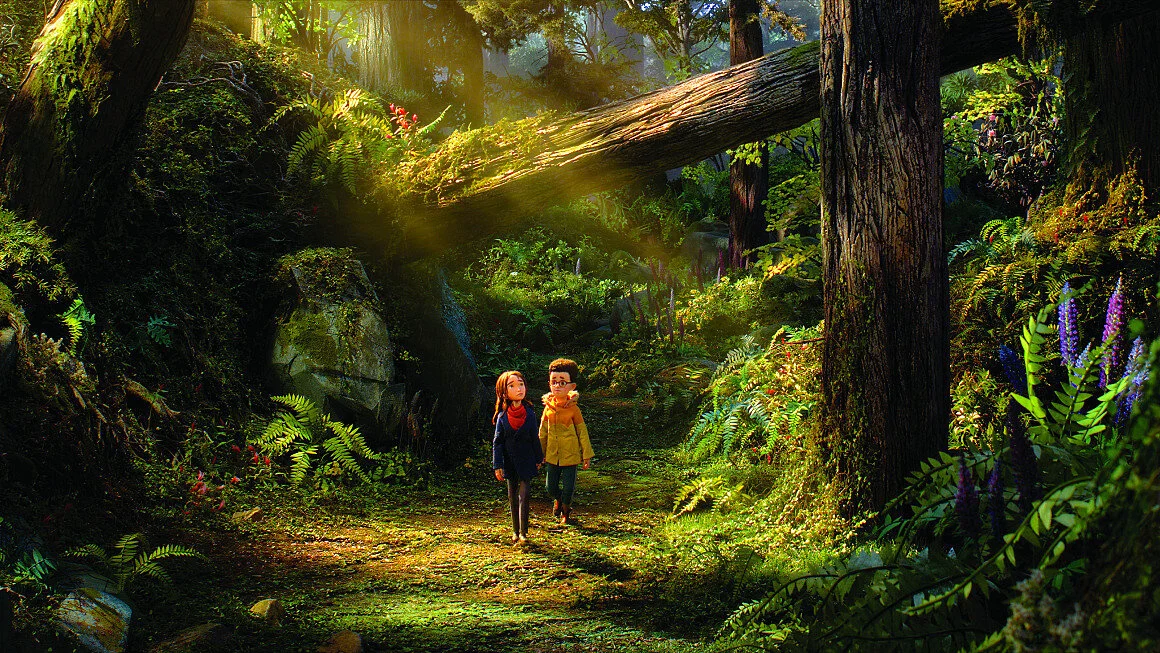
Wildwood absolutely relies on established fantasy and fairytale tropes to propel its story forward. Some people might think that is boring. However, I think that it actually is the story’s greatest strength. Why? Simple, there is nothing original under the sun. Originality doesn't matter in art or storytelling. What matters is execution. What matters is presentation.
Ideas are cheap. The skill to use those ideas isn’t. Let me give you some examples to illustrate what I am saying:
The Lord of the Rings:
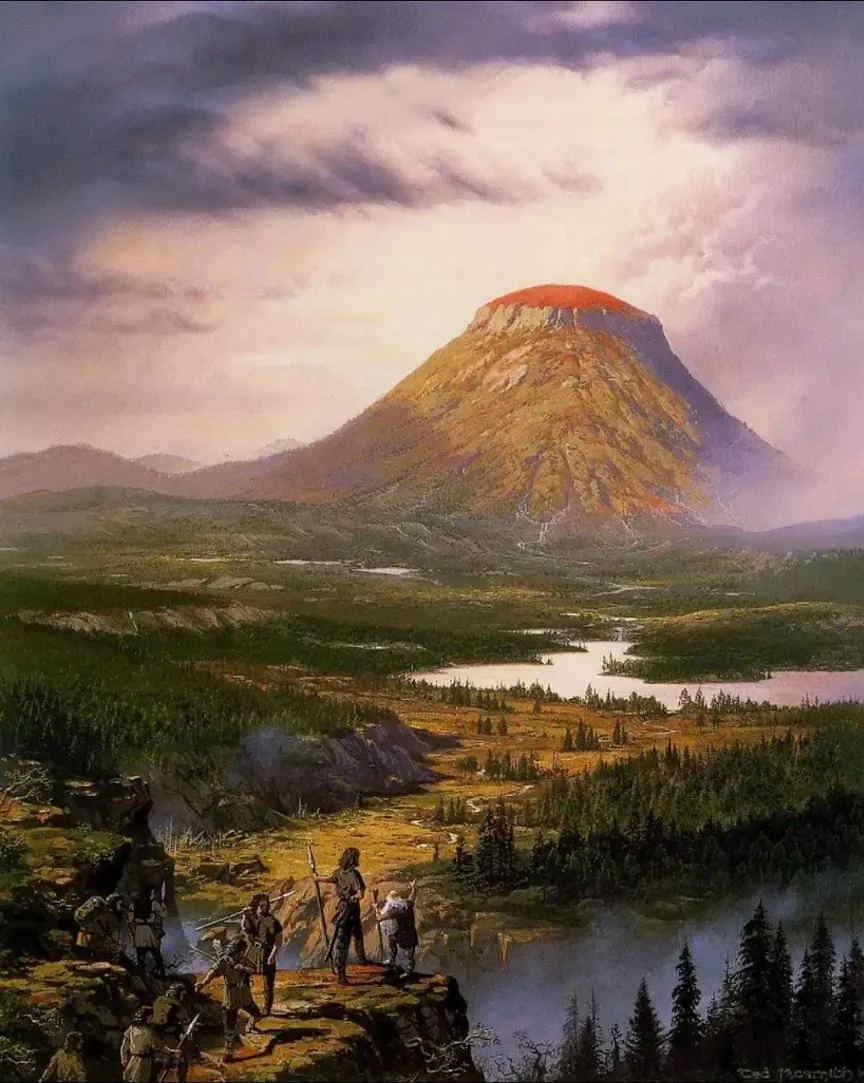
You will be hard pressed to find a fantasy fan that dislikes Lord of the Rings or doesn't recognize J.R.R. Tolkien's impact on storytelling as a whole. Although, if you boil down its plot it is about as basic as it gets. A group of unlikely heroes set out to defeat a big bad guy and his army before he can destroy the world. They get help, magical items along their way as they strive to destroy the one thing giving the Big Bad his power.
I KNOW this is a disrespectful and reductive take on the amazing Lord of the Rings trilogy. However I use it to show that it’s not the plot that makes Lord of the Rings good. No, it’s how it was executed. It was a rich world and characters. The themes and morals presented in the story about temptation, power, industrialization, friendship, honor, heroism, normal people doing good things being what truly defeats evil, mercy, leadership, and people’s roles in society is what makes Lord of the Rings so good! It’s not the plot of a story that makes it good. That’s just the bones. It’s the strength of presentation, and the intertwining of themes that make a story great.
Mystery Stories:
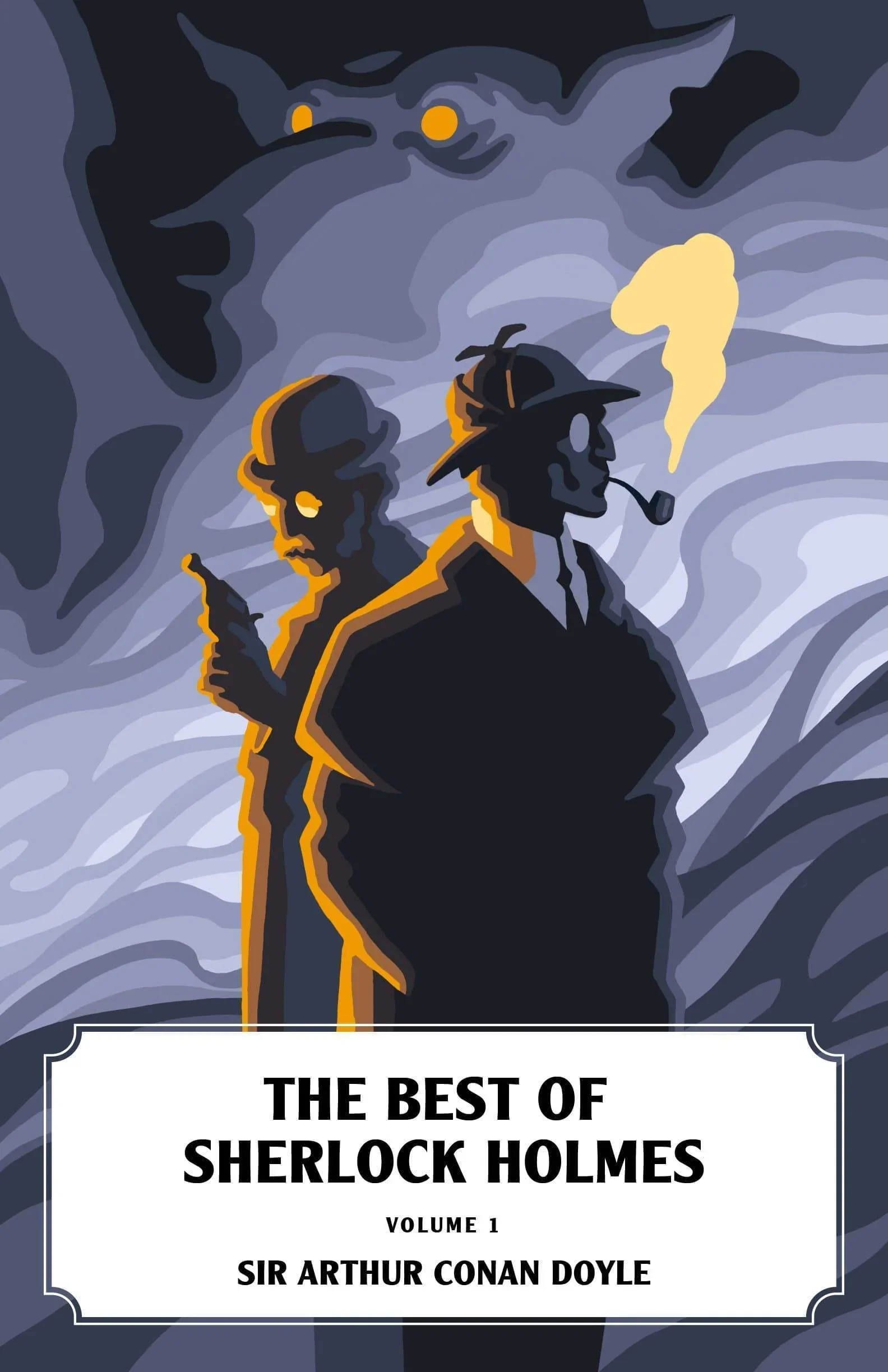
Over a hundred years ago Sir Arthur Conan Doyle had his iconic character Sherlock Holmes say in A Study in Scarlet “Read it up—you really should. There is nothing new under the sun. It has all been done before”. Later in The Adventure of the Copper Beeches Sherlock complains how “Man, or at least criminal man, has lost all enterprise and originality”. Yet there are still loads of Sir Arthur Conan Doyle Sherlock mysteries written after this.
If there are no original mysteries why do we keep on flocking towards them? Why do we have so many Agatha Christie novels? So many good Rian Johnson A Knives Out mysteries? A million and one police procedurals like NCIS, Its spinoffs, Psych, Monk, Person of Interest, Sealed Signed Delivered, Leverage, Columbo, and so so so so so sooooo many more?
Well it’s not because of the plots. We’ve all seen how these stories go: there is a crime or a murder someone is sent to solve it. Perspectives change, events change order, motivations change, the characters are different people. The plot though, that rarely changes yet we love these stories because of the familiarity and comfort they bring as well as the creative execution and themes presented in each one. A simple plot that relies on tropes doesn't make a story bad. Its execution does though.
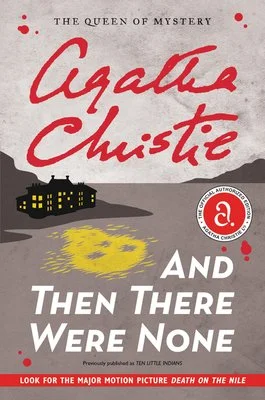

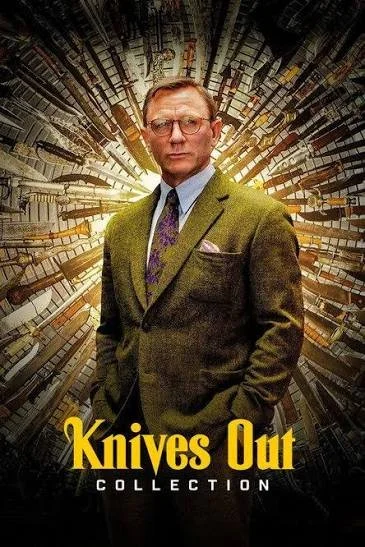
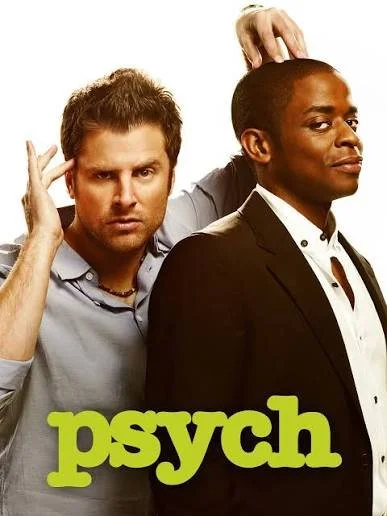
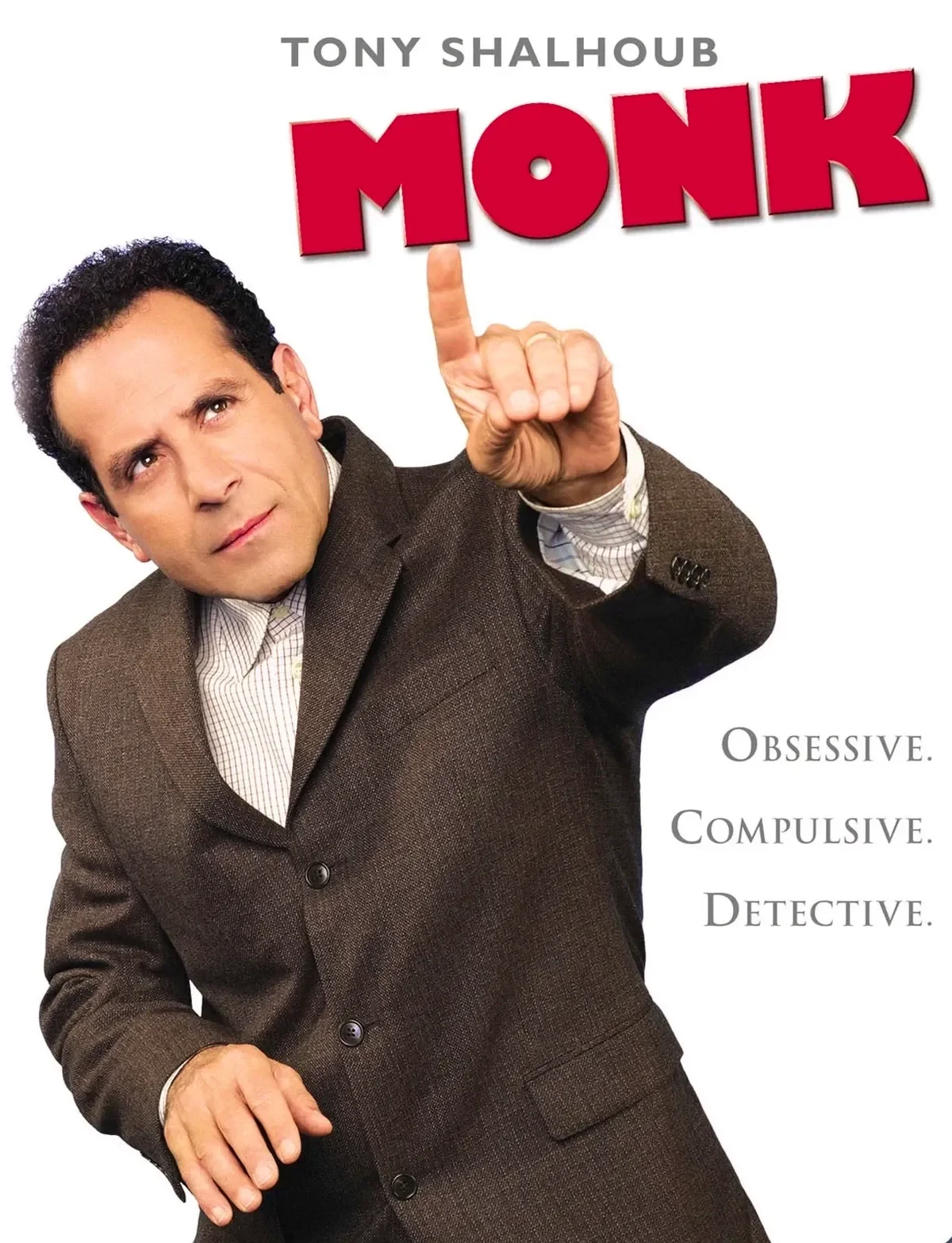
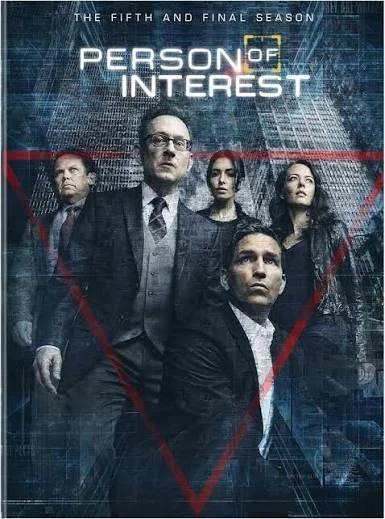

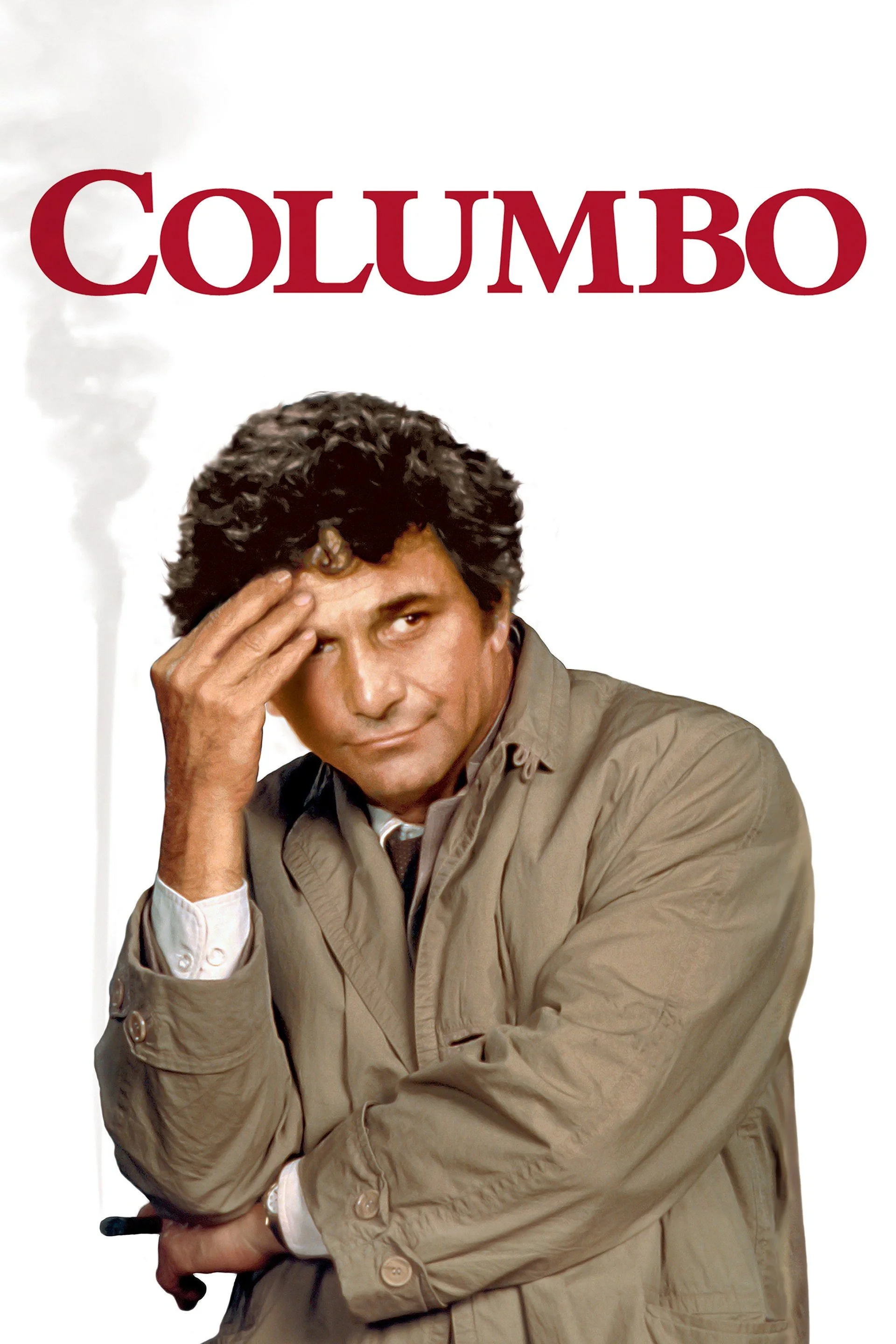
I could continue pointing out so many other examples of repetitive plots in Soap Operas, Sports, Phineas and Ferb and others. That they still manage to capture our attention despite this repetitively. That’s why if you are nitpicking a plot you might be missing the true emotional core of a story. You might miss what makes a story truly inspiring.
So just because a story isn't original does not mean that it isn't inspiring. What makes the story great isn't the tropes it's used. It is the way it executes those tropes that is what makes a story inspiring. That is what makes the story excellent. And I think the Wildwood does a fantastic job executing its tropes in such a heartfelt way.
This train ride has already gone on for so long already though. We still need to talk about Wildwood and how it executes its plot. How even though it uses common tropes it manages to tell an amazing and heartfelt story. Of course with its incredible visuals aiding such a story.
SPOILERS FROM HERE ON OUT
〰️
SPOILERS FROM HERE ON OUT 〰️
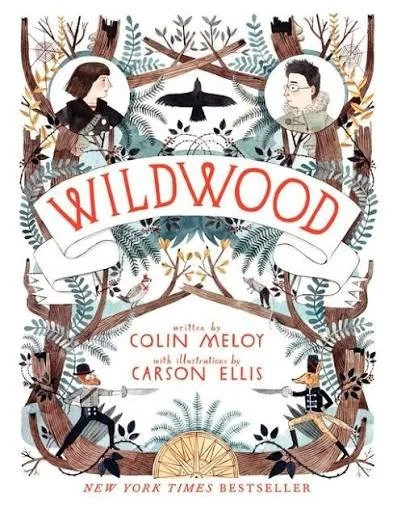
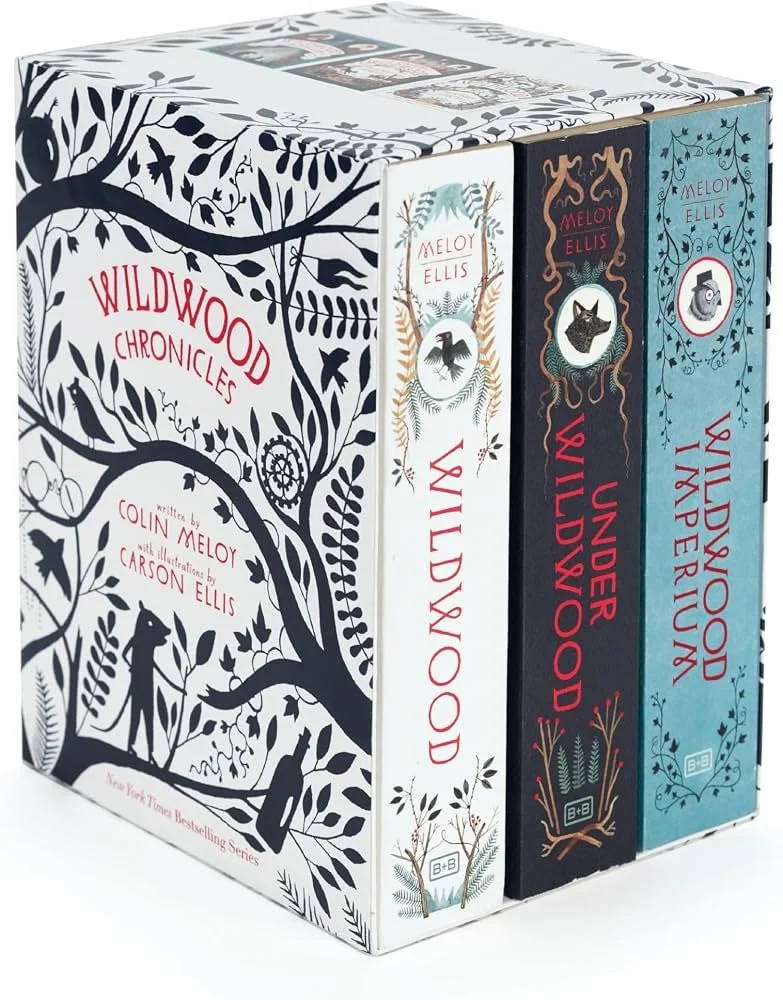
So, I’ve griped about how Wildwood uses common fantasy and fairytale tropes. What tropes does Wildwood use that’s got people saying they take issue with the plot? Well, Wildwood is a beautiful mash up of a lot of different fairytales and tropes.
From your typical hero’s journey about a special magical child entering into a new and magical world. Leaving the old one behind. From the Labyrinth plot of saving a kidnapped sibling, to the set up seemingly being not to disobey your parents, to the talking animals and the coyotes being soldiers in the evil army. The Alice and Wonderland-esk take on nonsensical bureaucracy. To the different factions of magical creatures not liking each other, to a merry band of rebels, to lost civilizations, the nature druids, the commentary on artificial life vs nature, and so much more. Wildwood presents us with a wide and expansive world that is breaking under mutual distrust and a single evil person willing to wreck everything around them to get what they want. There is also a classic fae deal that you must give up your child to the fae in exchange for what you want. These are the most prevalent tropes I spotted but I am sure there is more.
Fairytales by their nature are meant to have interchangeable characters that can be set anywhere are entertaining stories or morals about life. Wildwood does a fantastic job at inserting their own characters into these formats to make a truly unique story all their own. All to support the themes of Wildwood and add some real stakes to the story.
For example they subvert many different expectations in this film by giving the main male side character, Curtis, an arc in pacifism. It is set up that this dorky annoying kid will probably get an arc in bravery and courage to fight. Two things that he finds in his arc to help those he cares about. However this film doesn't shy away from the gruesomeness of violence and many many characters die. Curtis does learn how important it is to sacrifice for those you care about but the film makes it clear when he does take a life for the first time that it is more traumatizing than empowering. Curtis is a great example of the delineation between the heroes and villains of this story. Those who cause violence for selfish ends while others defend community and love.
One death that caught me off guard was the death of the Bird Kingdom’s General. One of the largest and most complicated puppets that Laika has ever rigged. We see how powerful and experienced she is. Only for her to die an almost unceremonious death because of the advancements in technology made by Alexandra and her Coyote army. The story makes a sharp left turn at this point and adds in a new set of tropes to make it all the more interesting.
Prue, out protagonist, is convinced that her brother is dead, after Alexandra fails to convince her that she is the benevolent ruler of the Wood. So, grieving Prue heads home and confesses to her parents that she went against their rules to take her brother outside. Losing him and getting him killed. It is a heart wrenching scene that feels unreal when it comes to portal fantasy stories like this.
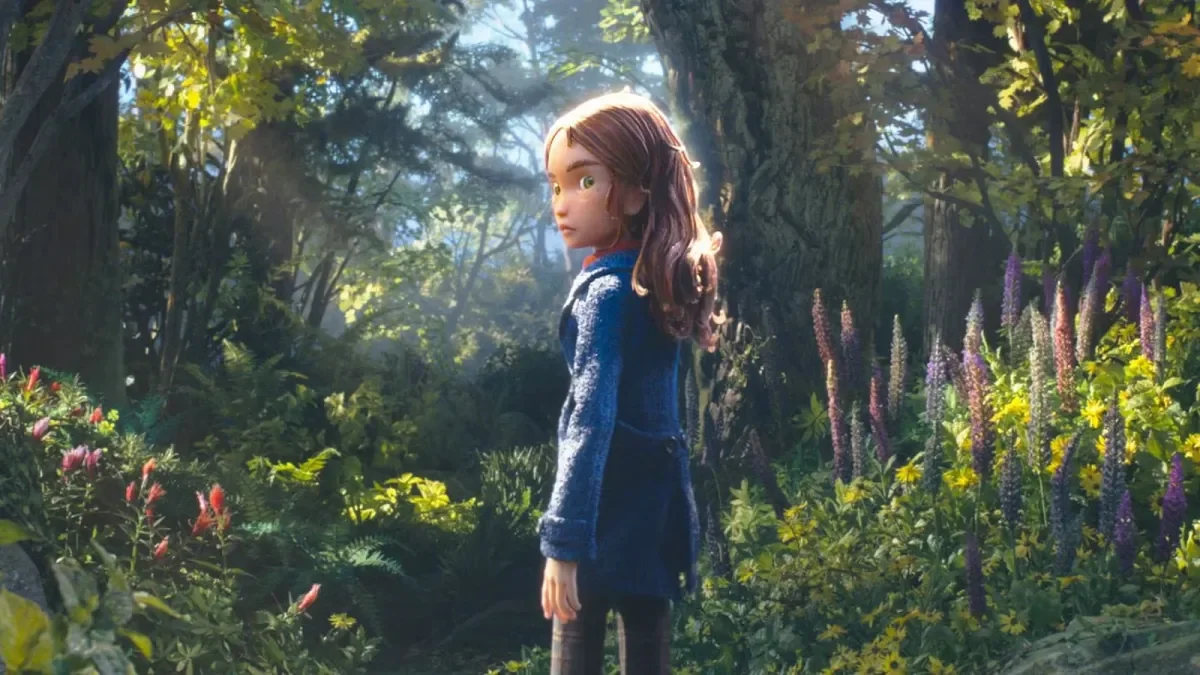
That is when she learns that her parents initially couldn’t have children. That they tried everything and when they were at their wits end they were approached by Alexandra with a deal. She would magically give them the ability to have children as long as they gave their second child to her. Seeing a way to get what they wanted they agreed. Sealing the fate of their future family.
The story kicks into high gear after this and only gets so much better. It also cements a major theme of this film. The idea that the world we live in isn’t the younger generation’s fault. That the adults around these kids have made selfish decisions that have broken the world they are going to inherit.
Prue tries many times throughout the film to apologize for the chaos she has brought from the outside world only to be told every time “It is not your fault, Things have been ready to boil over for a long time now. These events were set into motion before you were born”. However that doesn't absolve Prue from her responsibility to save her baby brother from Alexandra or help those that she comes across forge a better world.
I have seen many people express the opinion that the first fantasy village we come across South Wood is an unnecessary plot point. Why show this over complicated bureaucracy that shelters cowards and tries to trap Prue? With some simple rewrites we could remove them all together. They don’t even participate in the last battle against Alexandra.
My answer to that is the simple fact that if you remove them you remove a crucial building block of the story's themes. South Wood and its cowardly bureaucrats are the reason that Alexandra is in power now. Instead of helping this grief ridden woman they ridiculed her and banished her. Instead of stopping her they hide behind their towers of paper work, imprisoning anyone who tries to confront the problem that is Alexandra and letting her massacre entire factions.
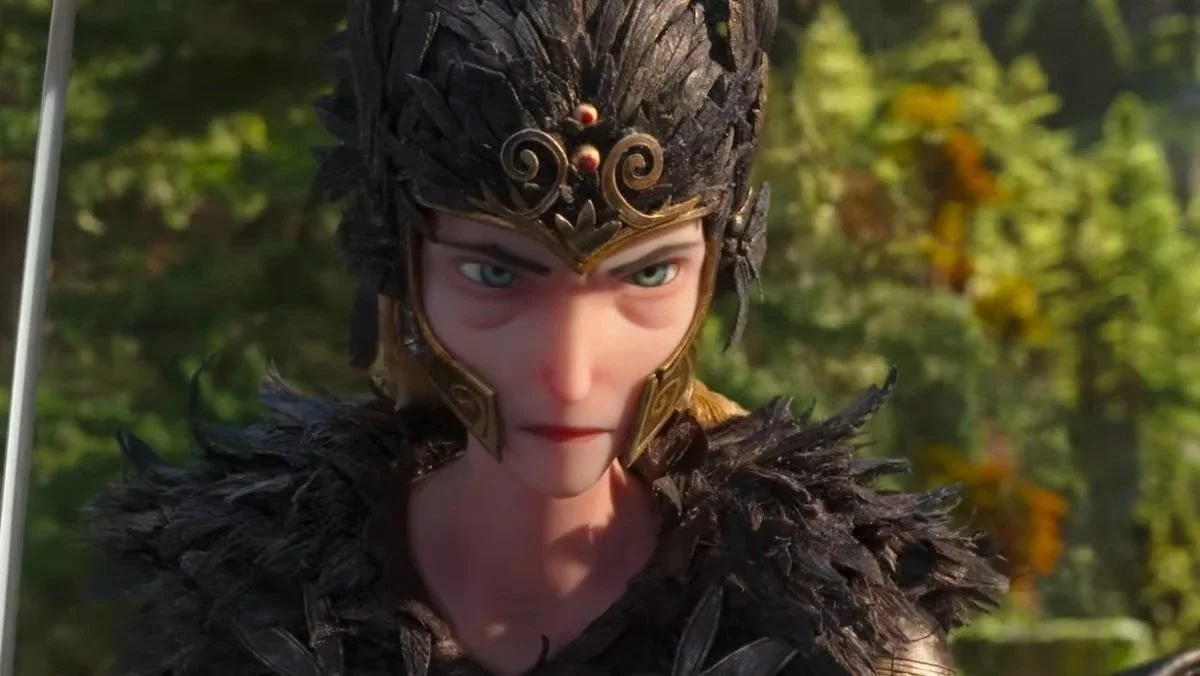
Why? Well because Alexandra was once a governor of South Wood. So, despite her use of dark magic to power a soulless machine they protect her and ignore the violence and evil she continues to perpetuate. Alexandra hates the forest and in a way so does the bureaucracy of South Wood. South Wood is essential to show us how broken the world has become because of selfish adults. Same goes with the druids, and the bandits. Their fear and mistrust of each other has led to all of these deaths. It might not be Prue’s fault but it is a world she has to confront.
That message of Wildwood. The world might be complex and broken, the generations before us might’ve messed up. Our own parents might’ve betrayed us with their past decisions. It might not be our fault but that doesn’t mean it is hopeless or that we shouldn’t do anything. Things can get better and we can heal the rifts in our communities. We can be selfless, we can change things if we don’t give up.
That is a powerful message built upon the bones of simple fairytale and fantasy tropes that Wildwood has to share. A message that is so relevant in today’s climate where things have only seemed to get worse. A message that is missed if you only focus on the building blocks instead of the presentation and themes that really build the story.
I just wanted to express my frustration with people's criticism of Wildwood being boring because it's using the same old fantasy tropes. A story is never about the tropes he used. It's about how it's executed and the artistry on display with the stop motion animation already makes up for that lack of ‘originality’. Not that every story ever isn’t a remix of older stories and inputs from the storyteller’s own life. Wildwood in every way to me has proven how unique and amazing it is.
I just think that Wildwood uses those tropes excellently and subverting them and elevating them to a new higher standard. I think that the Wildwood will go down in history as a foundational benchmark for fantasy and what it and what heights it can achieve. Because man, what an incredible film with horrible awful violence and consequences. Deep emotional roots about not giving up, grief, and selfishness. All supported by insane artistry and animation. I think Wildwood does everything that it set out to do and does it immaculately.
Final thoughts:
From the Odyssey to The Epic of Gilgamesh there aren’t any new stories under the sun. The best we can do is find the soul of the person who crafted it. Then maybe we can grow, find empathy, and be inspired by them. That is what I believe Wildwood demonstrates with amazing care and hope.
I’d like to end off with a thought and a story about Pablo Picasso that I quite enjoy. It goes that Pablo Picasso was visiting Altamira, a cave painting in Northern Spain, and said “In 15,000 years, we have invented nothing.” Picasso was still bound by the same rules of color, composition, and elements that our ancestors were. The only thing that made Picasso's work special is that he mastered those colors, elements, and composition. Mastered them enough to put his own soul into them. It’s not the paint or colors that makes Picasso’s work special but the way he used them. It’s the same with our storytelling.
I have loved looking back at older fantasy and fairytale stories to see what inspired this story. It is so cool to see what Wildwood is drawing from and what they changed. It is so cool to see how our stories change with the world around us.
That is why I also love To Steal Like an Artist by Austin Kleon. In his book Austin Kleon talks about how being original is a waste of your time and how your time is better spent looking at your creative family tree. Looking back through your mind to see what inspired you, then what inspired the people who inspired you. Who inspired them and back, and back, and back as far as you can go. That way you can learn from your creative ancestors and refine and develop the skills that will make you a great artist. The same lesson applies to common plots, stories, and tropes. Tolkien did this exact thing when he crafted The Lord of the Rings. It’s not the trope that makes a story special. It is how well it is executed.
I love Laika’s Wildwood and its themes about growing up and seeing the magic around us. It manages to take a ton of familiar plot elements from Fantasy and Fairytales and remix them. Presenting them in a fresh light for a new generation. I think that if we let it, Wildwood will become a new benchmark for future writers, artists, and storytellers to strive for. It is a magnificent movie with heart, humor, and a message very applicable for today’s world. It also shows that tropes don’t make a good story; artistry, skill, and heart do.
Again, if you’ve made it this far I hope that you take the time to go see it. I hope that you are also inspired to go research your creative family tree and expand your skills. Thank you for coming aboard this journey with me.
We’ll see you next week when the next ticket comes around!
Don’t forget your luggage!
Looking for more Inspiration? Continue Here:

Hop aboard as we explore Wildwood and how its themes and artistic dedication make such an amazing film.